0
Average response time
Rapid dispatch support for urgent pest-control requests.
24/7 Pest Protection
Emergency response, prevention plans, and clear support for every season.
0
Rapid dispatch support for urgent pest-control requests.
0
Residential and commercial locations treated each year.
0
Measured decrease after full treatment and prevention cycles.
0
Flexible contact windows and after-hours coordination.
About us
We combine site inspection, targeted treatment, and preventive planning to keep homes and businesses protected with minimal disruption.
Read morePest Risk Overview
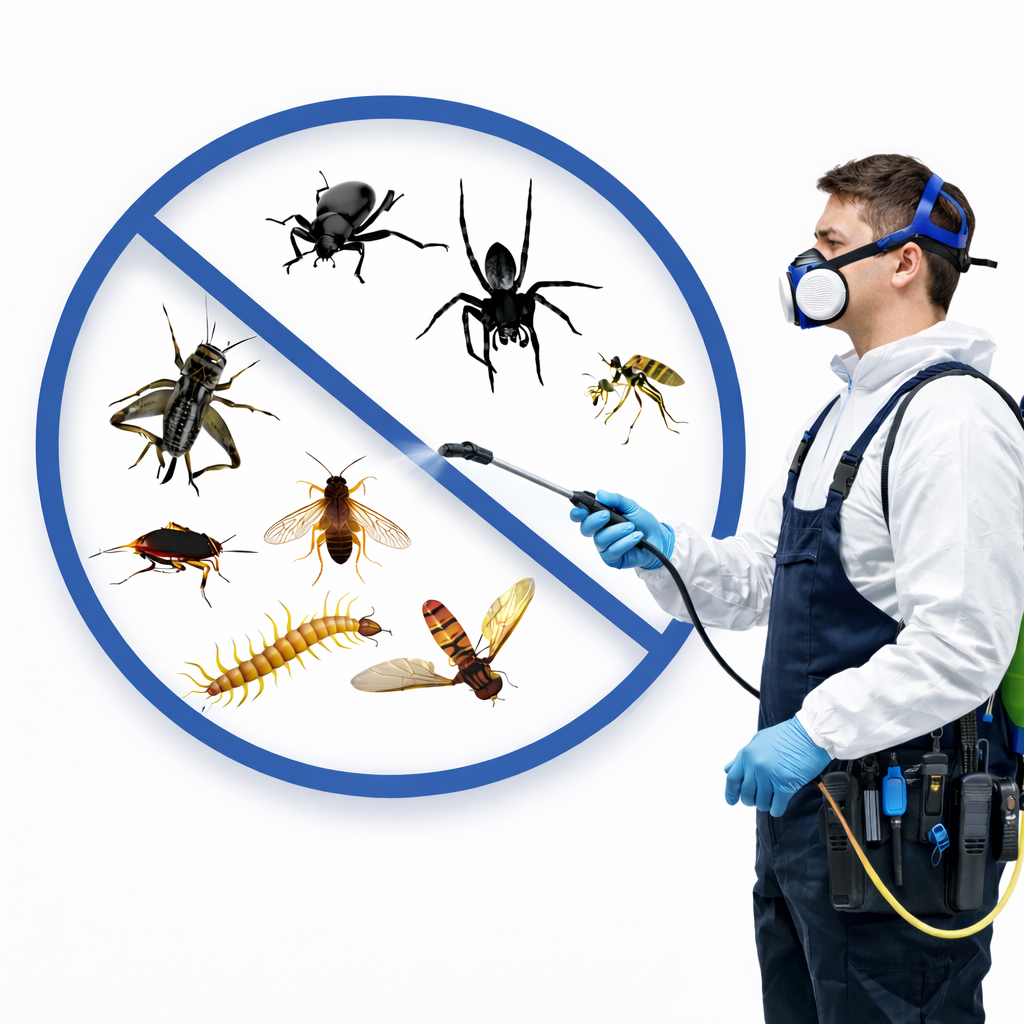
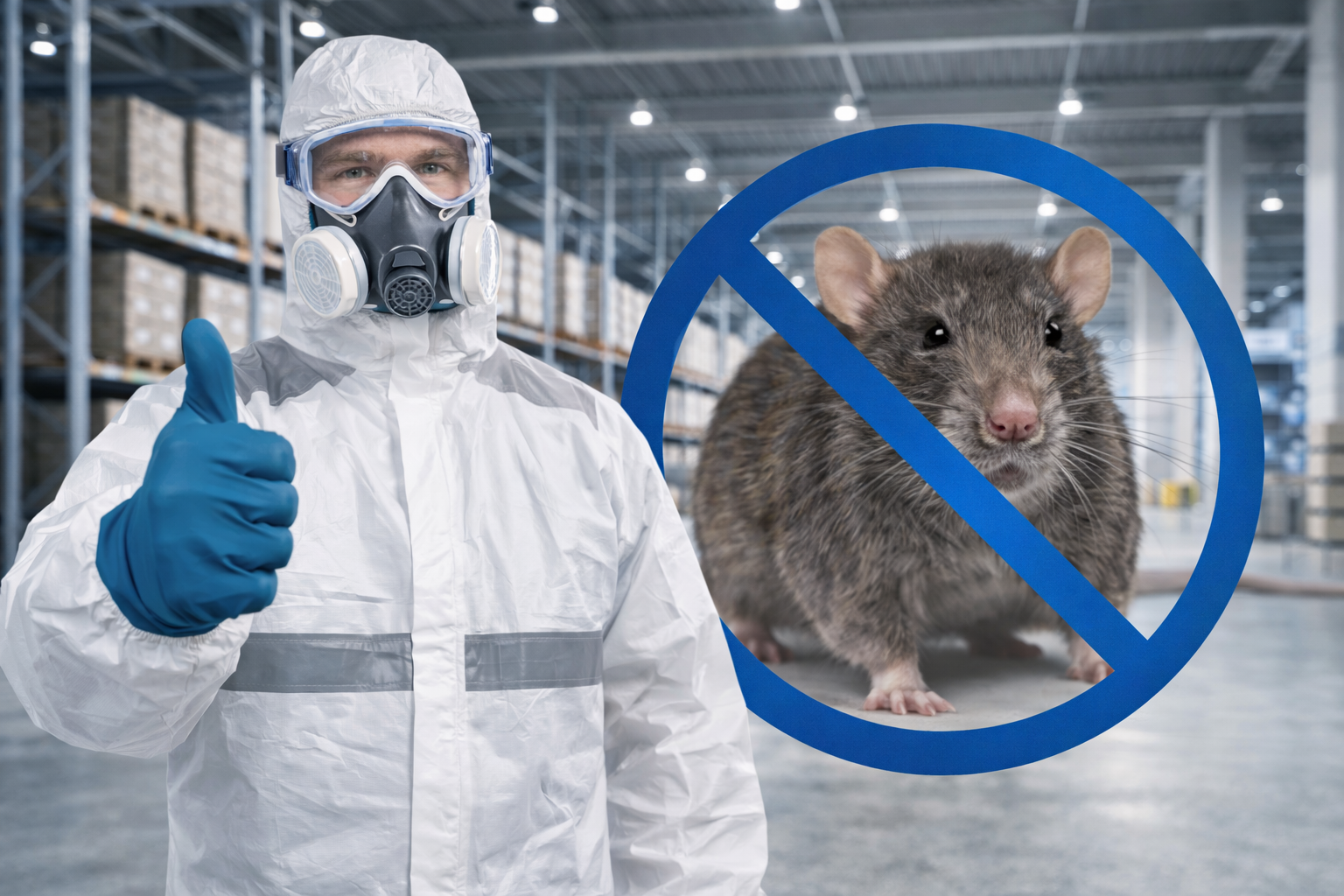
From insects to rodents, integrated monitoring helps detect activity early and reduce the risk of large infestations in residential and commercial spaces.
Protection Matrix
We combine diagnostics, control actions, and preventive routines into one structured workflow, so results stay stable after treatment.
Build my planEarly signs are mapped before pest pressure escalates into larger damage.
Control methods are matched to property type, season, and risk intensity.
Follow-up routines reduce recurrence and keep spaces safer long term.
Our services

Why it matters
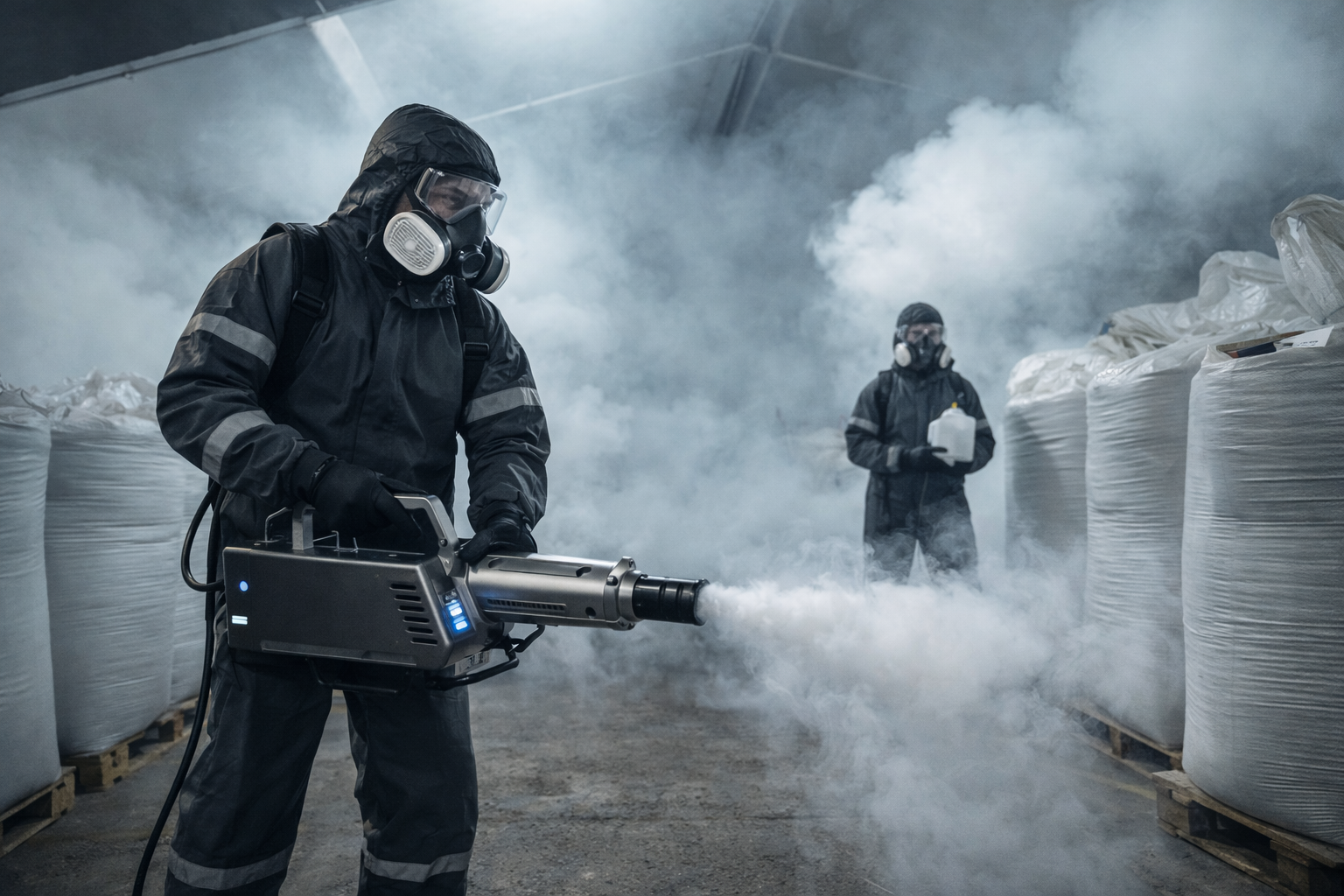
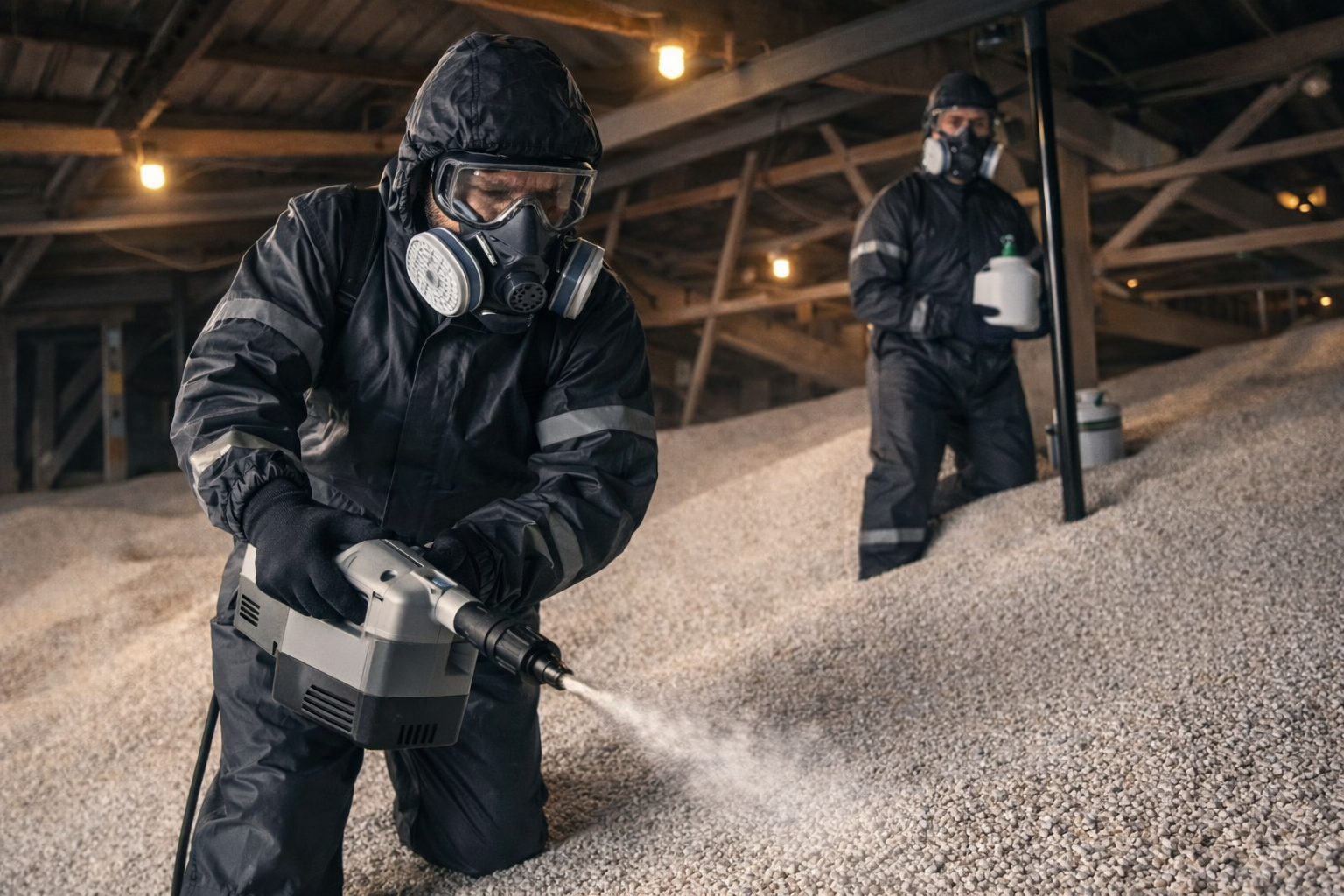
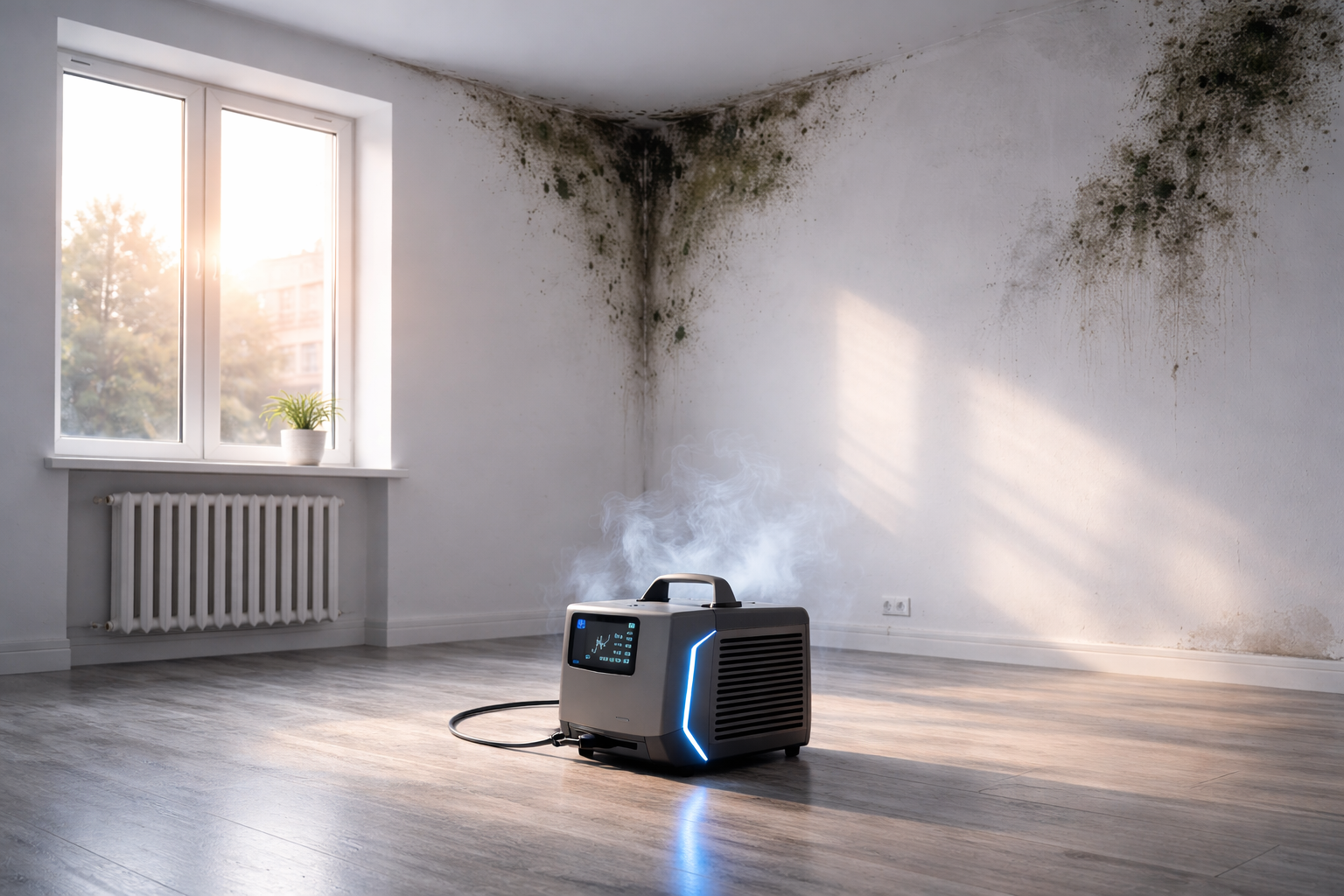
Integrated pest services are not only about removing visible insects or rodents. The biggest value comes from reducing hidden risk before it becomes expensive damage. Properties usually experience pressure long before owners can clearly see a problem: activity behind walls, contamination around technical points, moisture-linked breeding zones, and recurring routes that reopen after temporary treatment. A complete service model addresses these deeper layers and creates practical control, not short-lived visual cleanup.
For homes, this means safer kitchens, cleaner storage zones, lower stress from noise and odor, and reduced risk of damage to wires, insulation, and furniture. For families with children or pets, prevention quality is especially important because it reduces repeated chemical exposure from frequent emergency fixes. Stable prevention plans usually provide cleaner long-term conditions than reacting to each new infestation separately.
For businesses, the impact is even wider. Pest pressure can interrupt operations, create quality complaints, increase sanitation costs, and damage compliance confidence during inspections. In production and food-related environments, delayed control may affect product safety workflows, internal audit outcomes, and supplier trust. A proactive service structure supports continuity by tracking critical points and applying corrective action before issues escalate.
Another key benefit is cost predictability. Emergency-only strategies often look cheaper at first, but they usually produce repeated interventions, recurring downtime, and cumulative repair expense. Planned service cycles with monitoring and follow-up reduce this pattern. Property owners get better forecasting, fewer unplanned disruptions, and more efficient maintenance planning across the year.
Complete service also improves technical decision-making. With regular monitoring data, teams can identify which zones are vulnerable, which treatments perform best, and when seasonal adjustments are required. This makes control actions more accurate and helps avoid over-treatment in low-risk areas. Better targeting means better safety, better efficiency, and stronger long-term stability.
The practical outcome is simple: when inspection, treatment, and prevention work together, spaces stay safer for longer. Whether the property is residential, commercial, or industrial, a connected pest strategy helps protect health conditions, reduce hidden operational risk, and keep environments cleaner with fewer emergency interventions.
FAQ
Scheduling depends on location and request type. Urgent cases are prioritized, and many requests can be handled on the same day when slots are available.
Yes. Services are adapted for residential buildings, offices, warehouses, and production spaces with different risk and compliance requirements.
No. Effective plans depend on pest type, structural conditions, seasonality, and level of activity in the specific location.
Follow-up guidance should be applied consistently: sanitation adjustments, monitoring checks, and sealing recommendations are key to stable results.
Long-term reduction is possible when treatment is combined with prevention routines and periodic control points rather than one-time emergency actions.
Depending on region and operational load, extended support windows can be coordinated for urgent requests and sensitive facilities.
Testimonials
"The response was fast and the plan was clear from day one. We had repeat issues before, now the situation is stable and easy to manage."

"Great communication and zero chaos for our team. Monitoring reports helped us fix weak zones before they became expensive problems."

"The service feels professional, not random. Every step had a reason, and follow-up guidance was practical for daily routine."

"After treatment, the odor and noise issues were gone. We finally have predictable prevention instead of constant emergency calls."

"Very clean execution and polite support. The team explained what to monitor and how to keep the risk low between scheduled checks."

"We noticed fewer incidents within weeks. The process is structured, measurable, and much more effective than one-time fixes."

Ready to protect your space?
Tell us what you are dealing with and get a structured action path for your home or facility, from first inspection to long-term prevention.