Detailed service explanation
How HACCP monitoring improves safety and control
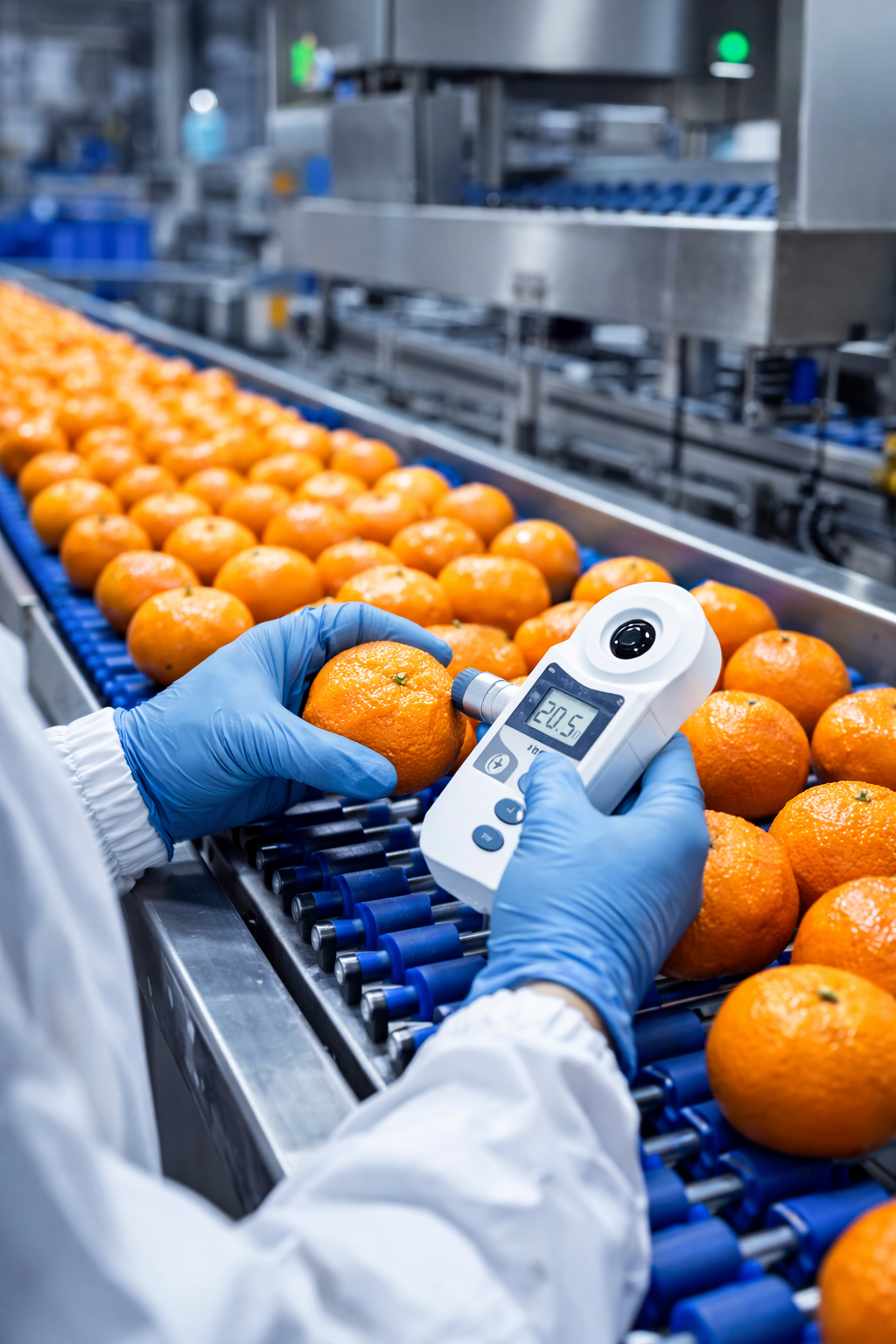
HACCP monitoring is effective when it is treated as a live control system, not as a static
checklist. The core objective is to maintain visibility over critical points where
contamination risk can rise: receiving zones, transfer lines, processing interfaces,
packaging areas, and waste-adjacent routes. A strong program defines where risk is highest,
how often each point must be checked, and which thresholds trigger immediate action.
In practice, monitoring starts with zoning and route logic. Different parts of a facility
have different exposure profiles, so control frequency must match operational reality.
High-traffic zones and warm/moist areas need tighter observation windows than low-risk
sectors. Placement strategy matters as much as frequency. Monitoring points should reflect
true process flow, not only easy access locations.
Data consistency is another critical factor. Records must be clear, time-based, and linked
to actions. If trend signals appear, response should be immediate and documented: inspection
expansion, sanitation reinforcement, or corrective control measures. This is what turns
monitoring from passive reporting into active prevention. Facilities that apply this model
usually reduce emergency interventions and gain stronger audit confidence.
HACCP control also supports better team behavior. When routines are practical and easy to
follow, staff can maintain standards without slowing production. Over time, this creates a
more stable hygiene baseline and fewer unexpected incidents. The result is safer product
flow, lower risk pressure, and more predictable operations.